12. Anonymity Advocate: Privacy Paul
-
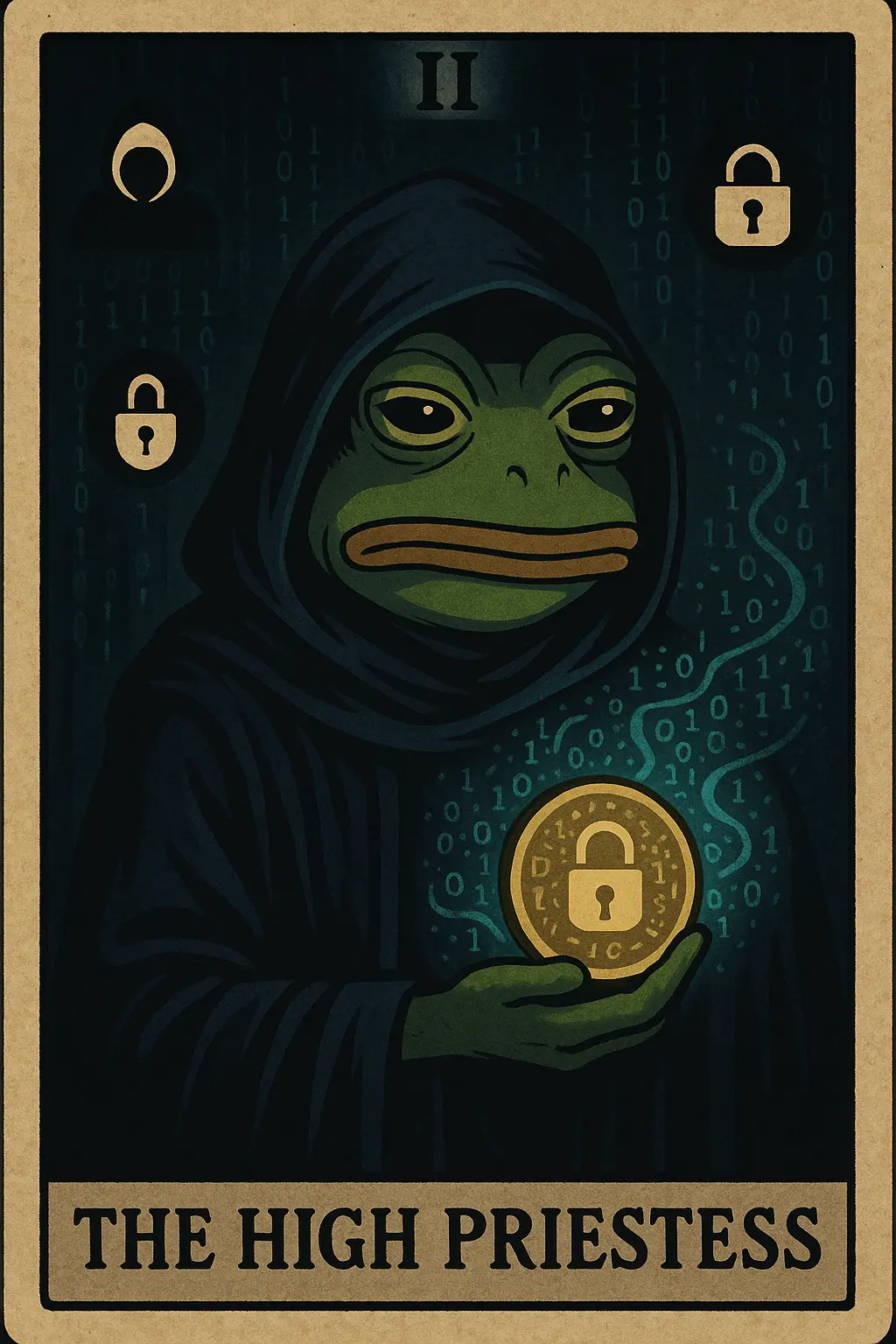
Guarding sacred knowledge behind veils of cryptographic mystery and digital shadows
-
tl;dr
The Anonymity Advocate prioritise anonymity, decentralization maximalism, financial sovereignty, privacy-first blockchains and control of identity/data.
- Core Identity: Cypherpunk guardian of shielded wealth, anti-surveillance
- Tech Stack: Zcash, Monero, Railgun, Nym, FHE
- Key Activity: Manages private wallets/transfers, interacts with confidential dApps, engages with advocacy/community, monitors regulatory changes and tests new privacy tech actively
- Mindset: Privacy = oxygen, views privacy as infrastructure, not optional feature, chooses long-term autonomy over short-term convenience
- Motivations: Financial sovereignty
- Must-Haves: Zero-KYC, open-source, default shielding, air-gapped signing, live anonymity score, emergency nuke switch, metadata resistance, good usability, multi-layer privacy controls, enhanced wallet security, recovery mechanisms, resilience to regulatory de-listing, compliance optionality and community transparency
- Target Strategy: Dark-mode, privacy-first UX, communications emphasising autonomy and cryptographic credibility, products supporting self-sovereign identity solutions, Nym/Session drops, FHE governance, badge flex during delist FUD
-
Characteristics
- Privacy coin investment and usage
- Decentralization maximalist
- Anti-surveillance technology adoption
- Pseudonymous online presence
-
Behavior Patterns
- Prefers privacy-preserving DeFi participation
- Engages in testing new privacy-blockchains, zero-knowledge platforms, self-sovereign identity systems for keeping ahead of surveillance/metadata threats
- Advocates for decentralized alternatives, privacy-first blockchains, decentralised governance / DAOs with privacy-capable governance via anonymous voting
- Participates in cypherpunk communities interacting with like-minded individuals on pseudonymous platforms
- Promotes financial sovereignty
- Contributes to the network's resilience by running their own autonomous, self-contained light node (blockchain)
-
Pain Points
- Keeping ahead of regulatory crackdowns, delisting
- Identity verification without exposure
- Exchange de-listings, metadata exposure statistics
- Mainstream adoption barriers: Poor UX, Lack of standardization, seed phrase complexity, liquidity challenges, MEV attacks
-
Engagement Hooks
- Ideologically driven
- Technology focused, privacy-preserving blockchains
- Identity verification without data exposure
-
Primary Platforms
- Privacy-focused forums
- Encrypted channels
- Decentralized platforms (for example, Lens Protocol)
-
Tech Affinity
- Privacy Platforms, Coins: Technologies that eliminate surveillance of financial activity, support privacy-preserved interactions, obscures wealth, confidential, anonymous transactions, app deployment where data is encrypted, confidential computations (Zero-knowledge proofs (ZKPs) / encrypted computation / metadata obfuscation, secure multi-party computations (sMPC)), pseudonymous user identity (Oasis Network, Secret Network)
- DID: Self-Sovereign decentralized Identity (SSI) enables verification of identity without needing to expose personal data
- Data Resilience: IPFS, Filecoin, Arweave like solutions to distributes data across decentralized nodes to eliminate SPOF and protects against monopolistic data locking, hacks, outages, and censorship
- Community Governance: DAOs that enable transparent, on-chain decision-making, platforms that operate on community agreed rules
- Decentralized Socials: Censorship resistance and protection from Web3 algorithmic bias (Mastodon, Farcaster)
How to Target?
-
Anonymity Advocate Mindset
- Strong libertarian philosophy mindset, highly technical understanding of systemic vulnerabilities
- Long-term, grassroots builder mindset rather than get-rich-quick
- Firm believer in maximum personal autonomy, individual empowerment, and collective freedom
- Rely on cryptographic proof for verification, trust code over centralized company or intermediary, believes in practical implementation of cryptographic solutions for defending privacy rights
- Strongly feel about individual being the rightful owners and architects of user data, identity, and digital interactions, skeptical of central authority and surveillance
- View the shift to Web3 as a philosophical and societal transformation, not just a technical upgrade
-
Anonymity Advocate Motivation
- Protecting Individual Freedom: Desire for autonomy and control, safeguarding personal autonomy and liberty from the pervasive reach of state surveillance and corporate data collection
- Maintaining Financial Confidentiality: Motivated by uncensored money, need to obscure wealth and purchases to avoid scrutiny from governments, criminals, or those seeking financial harm
- Fighting Systemic Censorship: Desire to engage in communication and trades without the risk of being banned, silenced, or subject to algorithmic bias of Web2
- Resilient Alternative: Driven by the distributed, trustless decentralized systems that hold the promise of resilient, inclusive, and transparent social order
- Build rather Consume: Desire to build/participate in infrastructure rather than just consume blockchain solutions
-
Anonymity Advocate Must-Have
- Privacy Shield: Default, built-in privacy, single tap full shield, air-gapped QR signing, live anonymity score (similar to security score, Tor by default, emergency Nuke switch, untraceable or obfuscated transfers, shielded pools, multi-layer anonymity
- Anonymous Voting: Permissionless, trustless operations, clear governance that no hidden parties can retrospectively reverse user anonymity
- Self-sovereign Identity: Self-custody of identity and digital assets, users control credentials, decide what to share, ability to manage consent, revoke access, control linkages
- Surveillance Resistant: Censorship, failure and attack resistance beyond data encryption, hide metadata patterns, disallow linkability, protect against chain-analysis, mixers, etc.
- Transparency: Open source, auditable code with regulation-aware but privacy preserving features
- Usability, Accessibility: Cryptographic solutions that are user-friendly, intuitive and friction-free, low barrier for new users to engage with pseudonymous wallets, privacy-dApps
- Upgradability: Flexibility and allowance for upgrades as cryptographic/privacy tech evolves (ZK, MPC, TEEs, etc.)
- Composability: Interoperability with privacy-tools, other protocols that offer anonymity, migration/seamless use of tools
- Interoperability Across Chains: Cross-chain swaps as enablers to defy censorship, SSI along with multi-cloud integration, and interoperability across decentralized networks for privacy
Action Plan
- Research & Refine: Do your own research. Use this template to guide your design, documentation and product feature decisions. The lack of formal UX research reports in Web3 is a testament that this is an underexplored area where original research could provide significant competitive advantage.
- Design Philosophy: Design for privacy, confidentiality, auditability in UX. Transparent DX with open source, fully secure audited code, documentation and pluggable SDKs, simplicity in privacy without compromising critical features such as key management.
- Communication Style: The primary communication channels should be privacy-focused forums, cypherpunk communities, encrypted channels, and decentralized social platforms, where the persona already participates. Use language that appeals to "digital autonomy," "sovereignty," and "self-ownership" mindset. Marketing should engage them by detailing the technological advancements (for example, specific cryptographic primitives like zk-SNARKs) that underpin the privacy features, 15 sec YouTube shorts. The market share of traditional “privacy coins” (for example, Monero, Zcash) has declined, while “privacy-blockchains” (that is broader tech beyond currency) are rising, signalling that the privacy community is chasing more than coins. Ethereum is offering privacy as a platform, likely killing the "privacy narrative" buzz.
- Product Features: Default shielded private transaction support, shield score (untraceable meter), immutable governance, decentralized identity and data management, auditability proofs, badge flex (100% shielded), minimal trust assumptions, zk-attestations and selective disclosures to validate on-chain information without revealing its contents.