Home
Welcome to the Web3 User Personas project.
Understanding the target Web3 user personas is the foundation for building products and solutions that stick.
This study introduces a purpose-built persona template that we used to analyze the anatomy of Web3 users, their mindset, motivations, daily tools, pain points and behavioral patterns. The template drives a clear action plan for engaging each persona effectively and accelerating the path to onboarding the next gazillion users into the Web3 ecosystem.
tl;dr
This study is a practical blueprint for product strategists, technical marketers, and architects. It helps you scale Web3 user onboarding and build products, content, and experiences that work for today’s Web3 landscape and the emerging Web4 ecosystem.
Driving meaningful engagement through a Web3 product, solution, design, content, and messaging requires understanding and staying aligned with the evolving nuances of your target personas.
In reality, a user’s behavior may blend traits from more than one persona types featured in this study.
You can custom build your own target persona by using our concise persona template. This template draws from off-chain user behaviors published in online studies and reports.
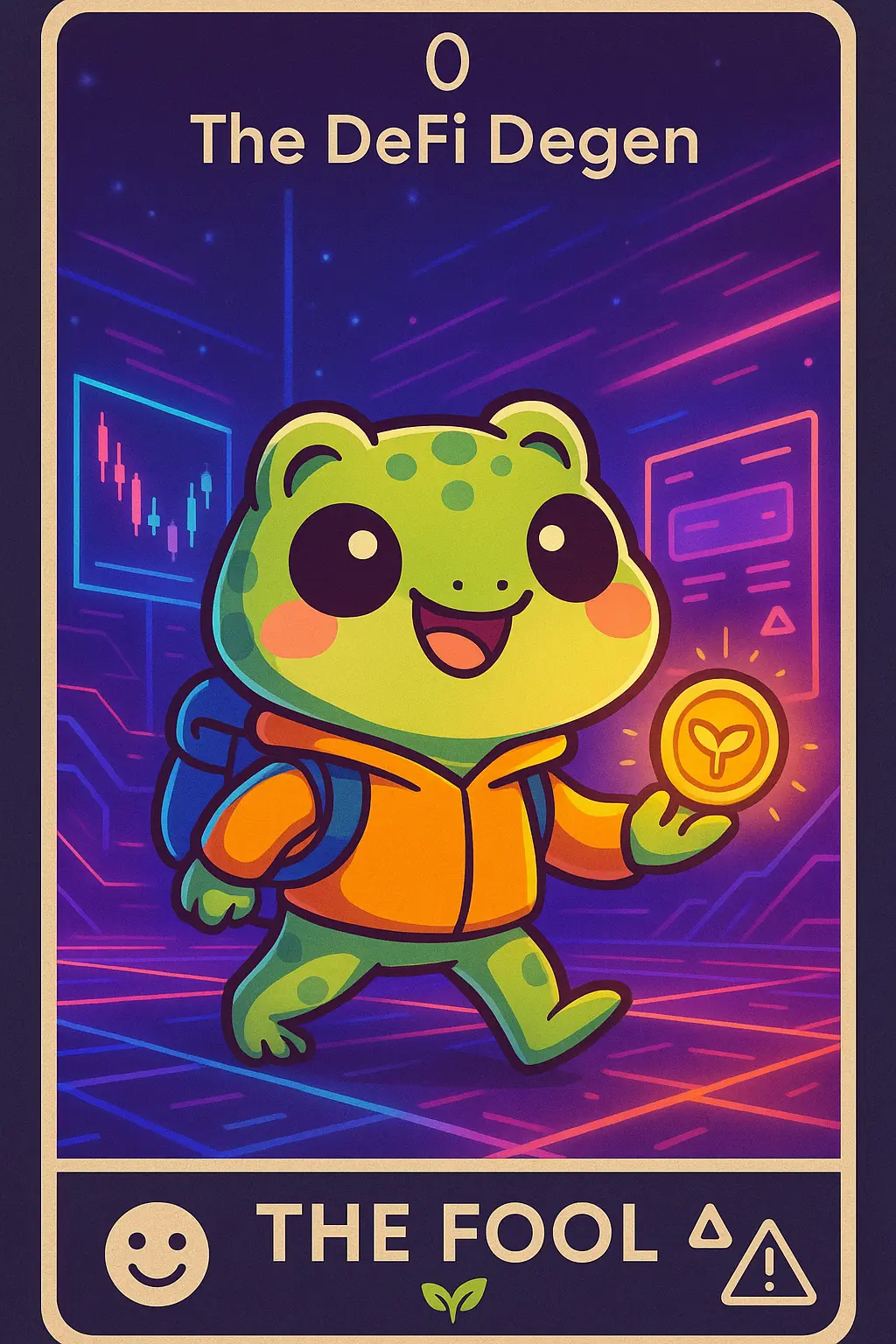
DeFi Degen

NFT Collector
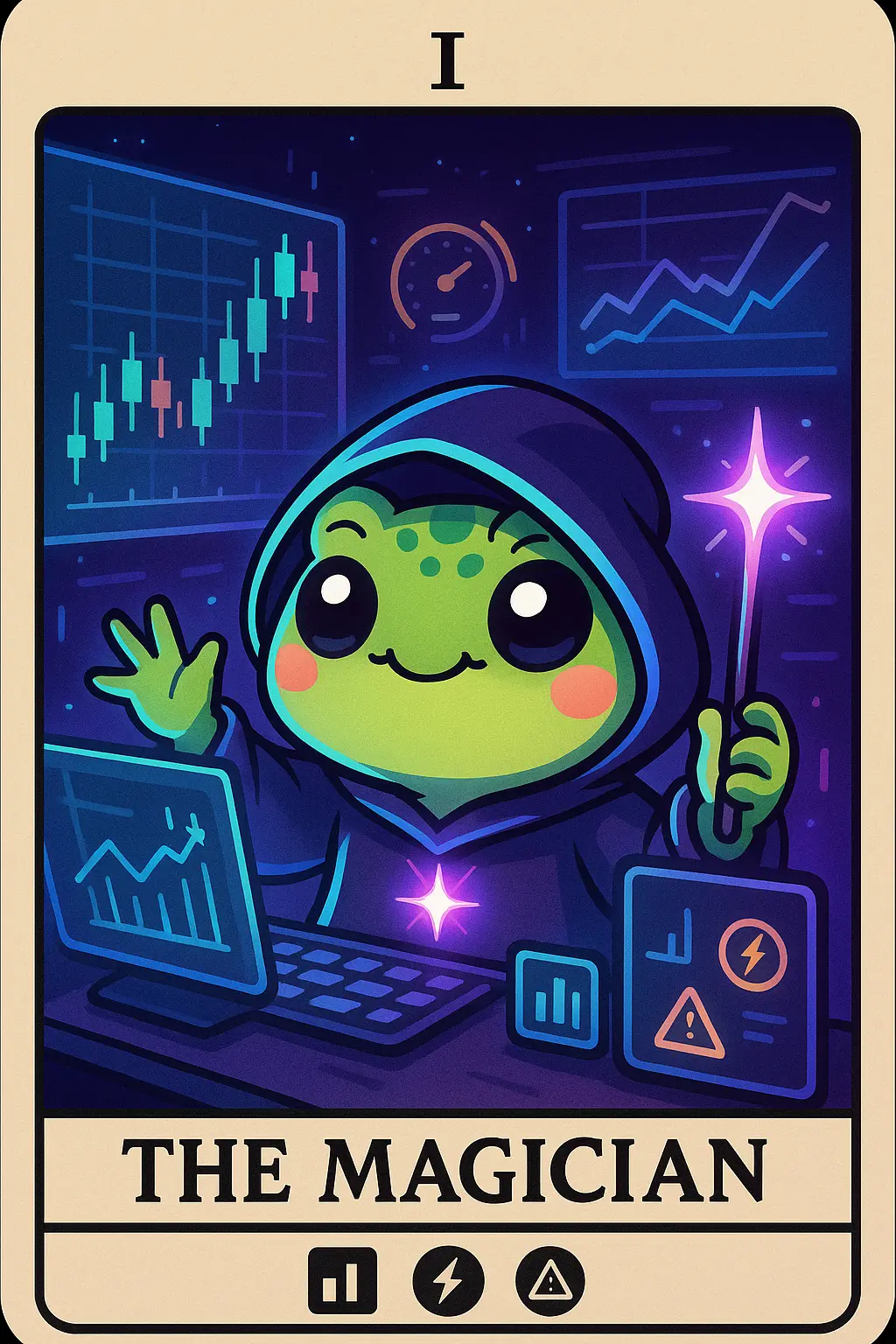
Crypto Analyst
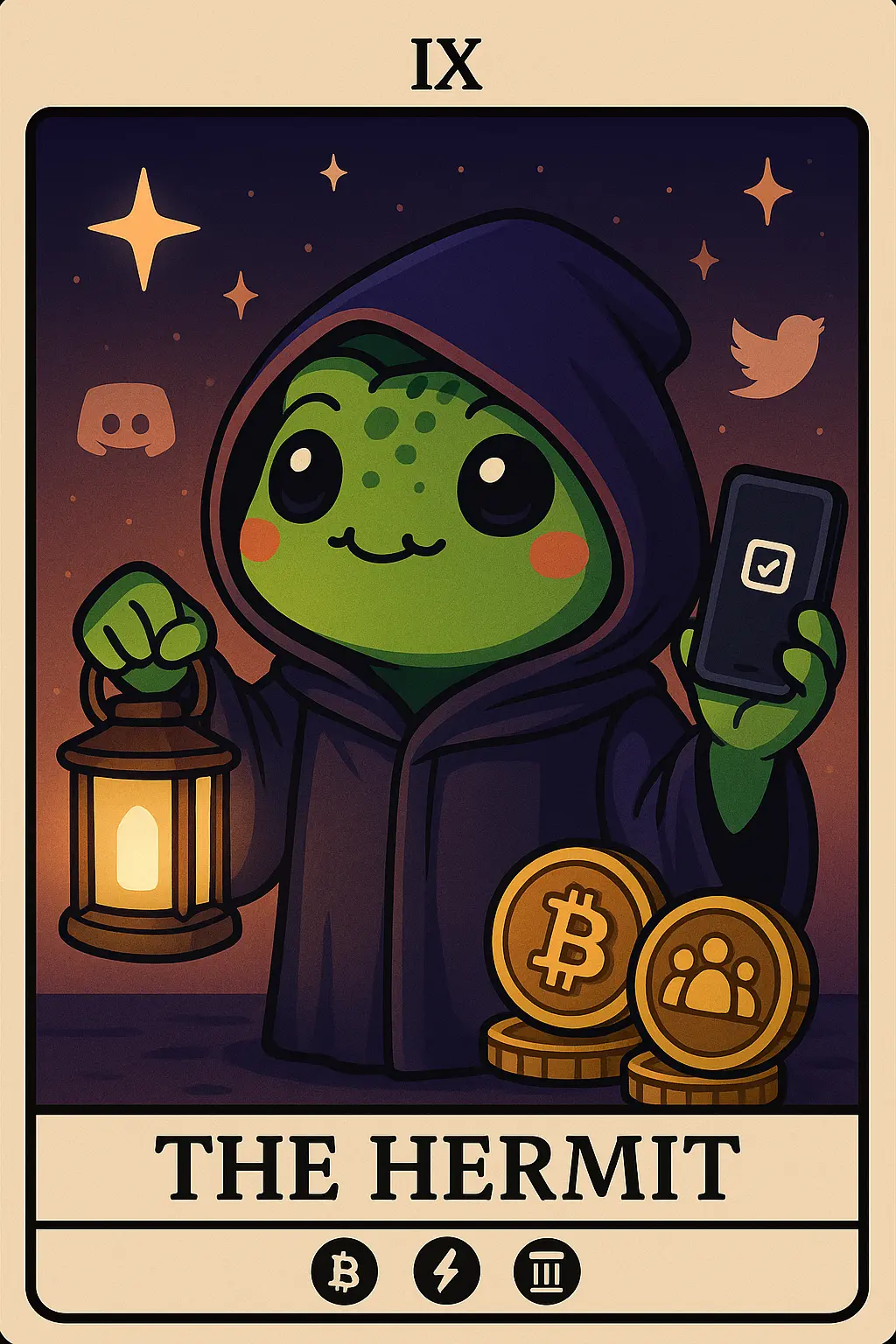
The Investor
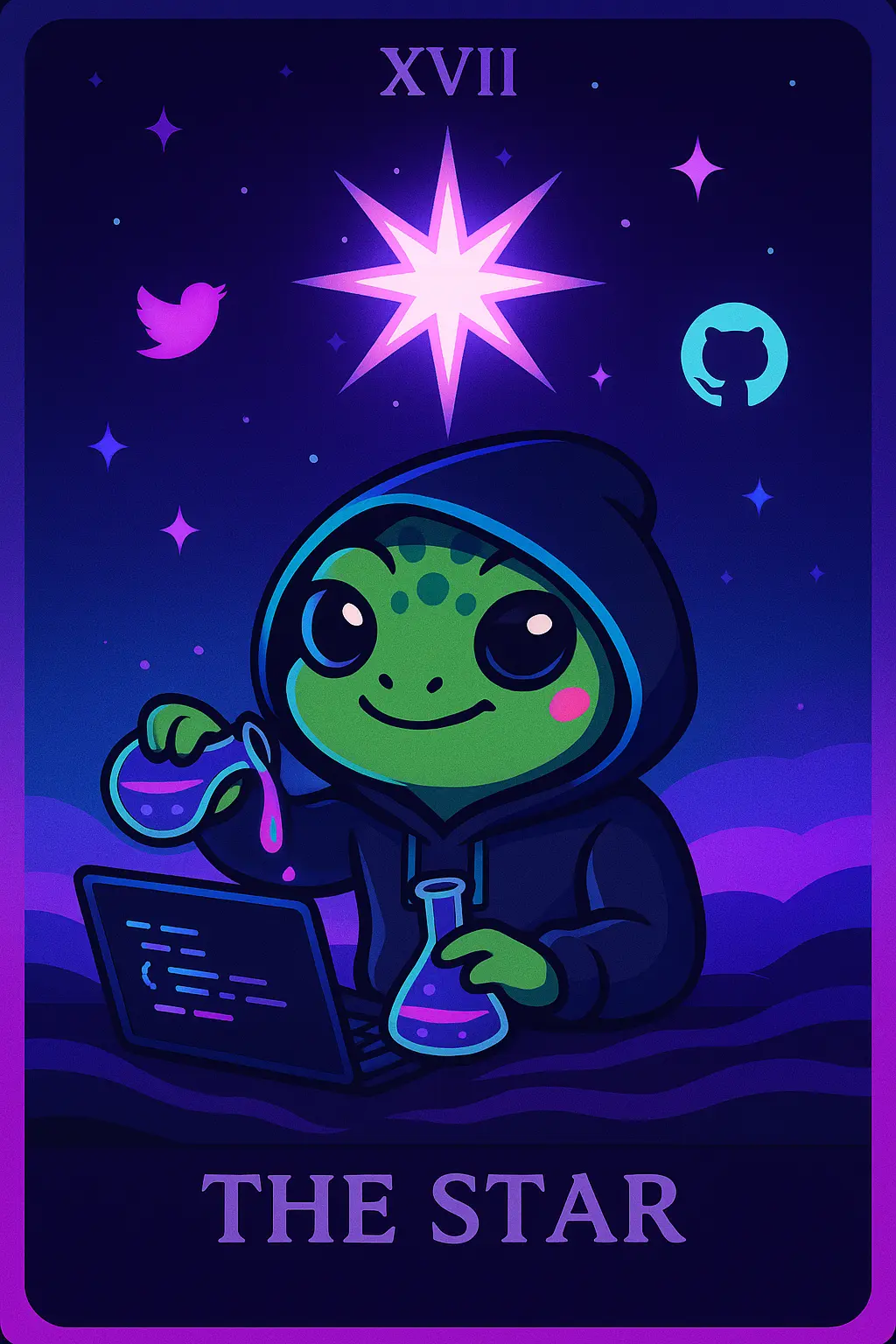
The Buidlers

The Influencer
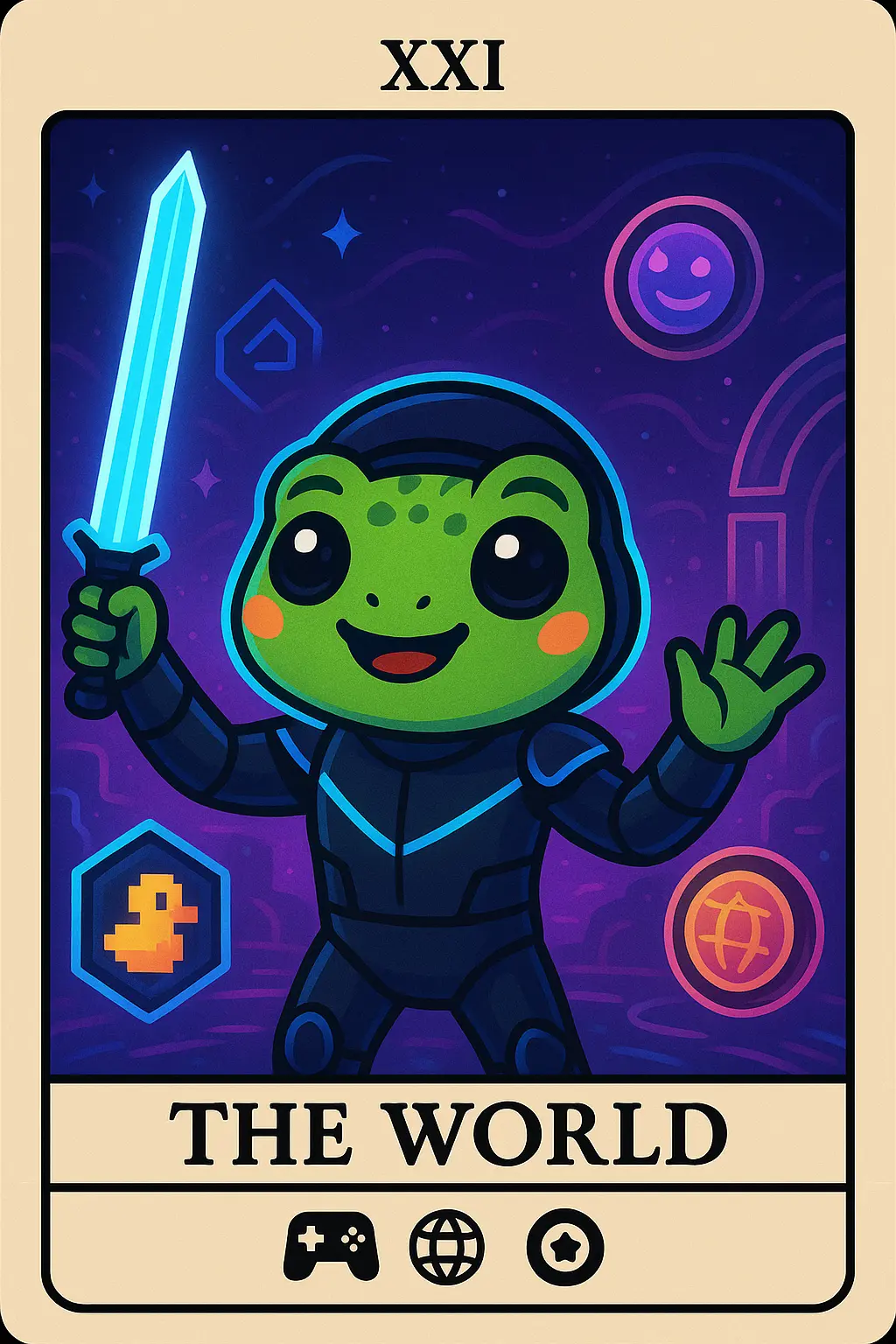
The Gamer
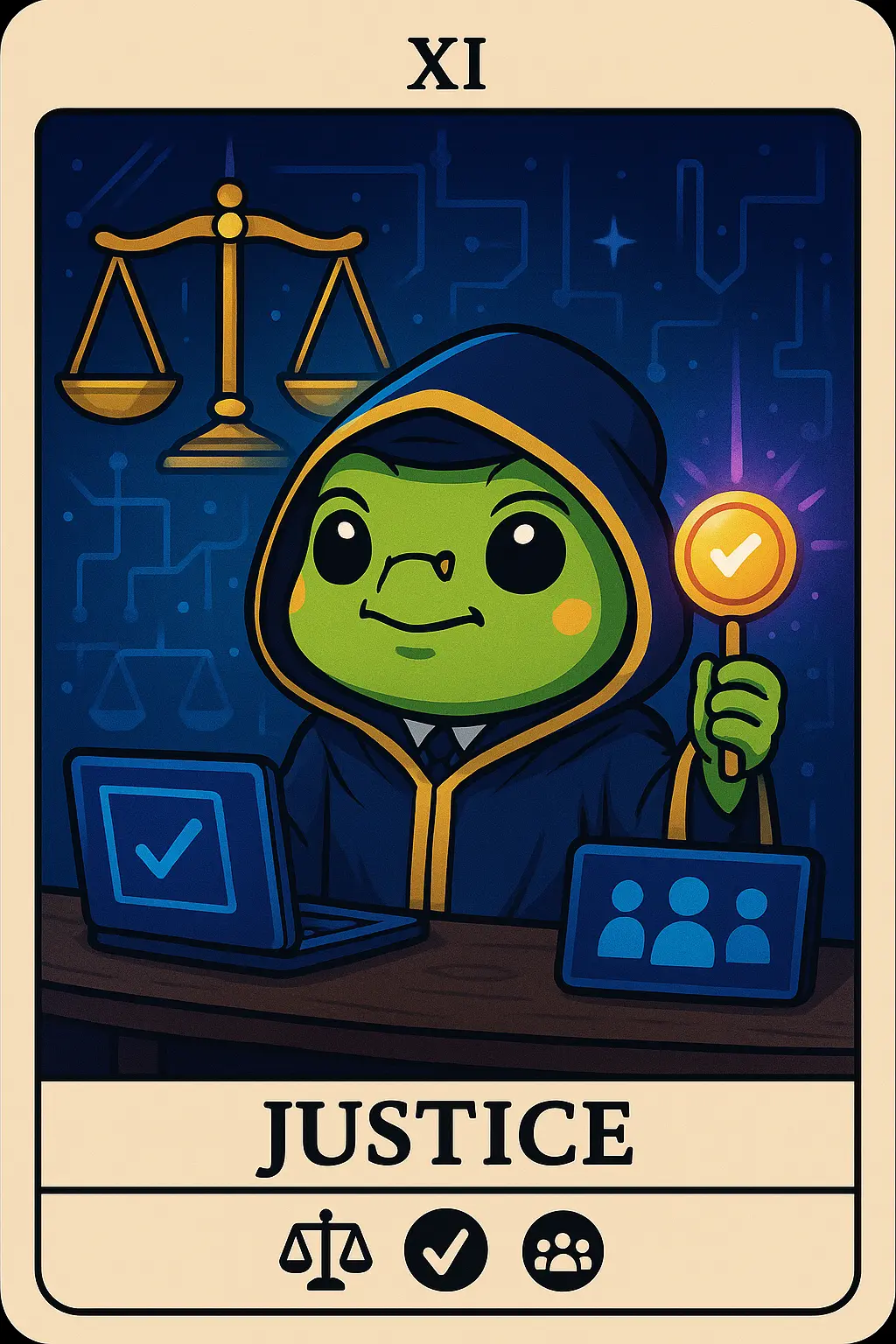
DAO Participant
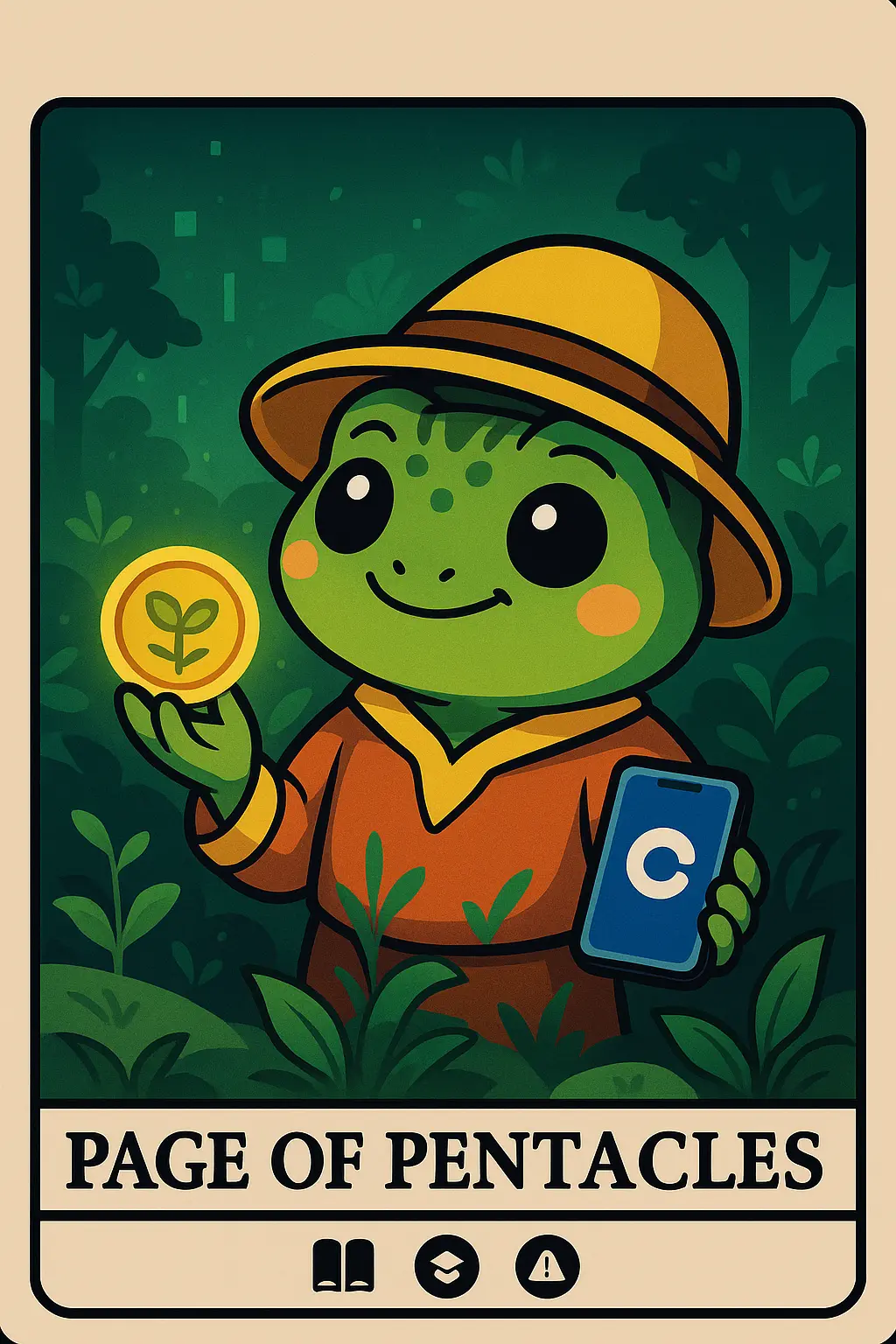
Newcomer
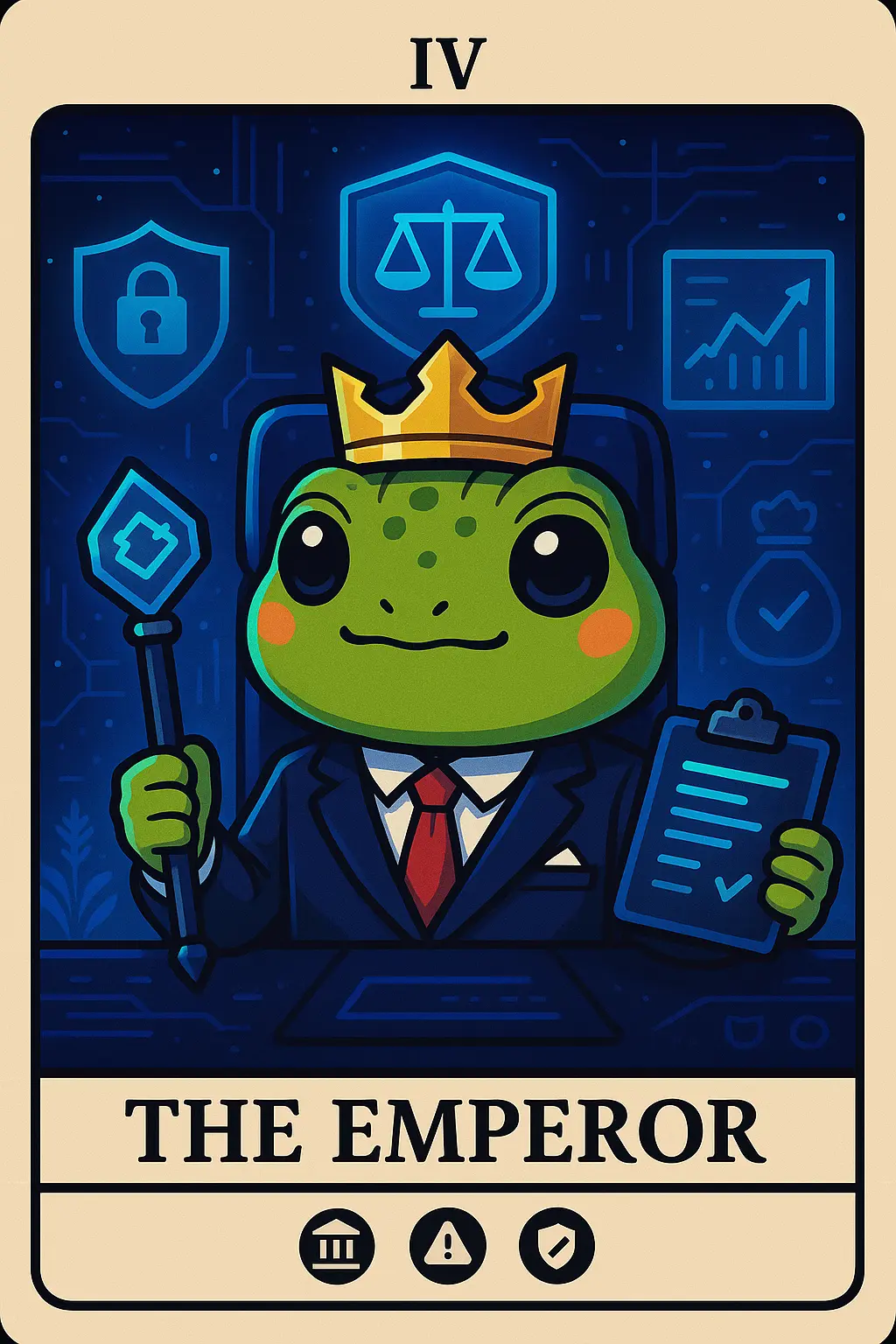
Institutional Investor
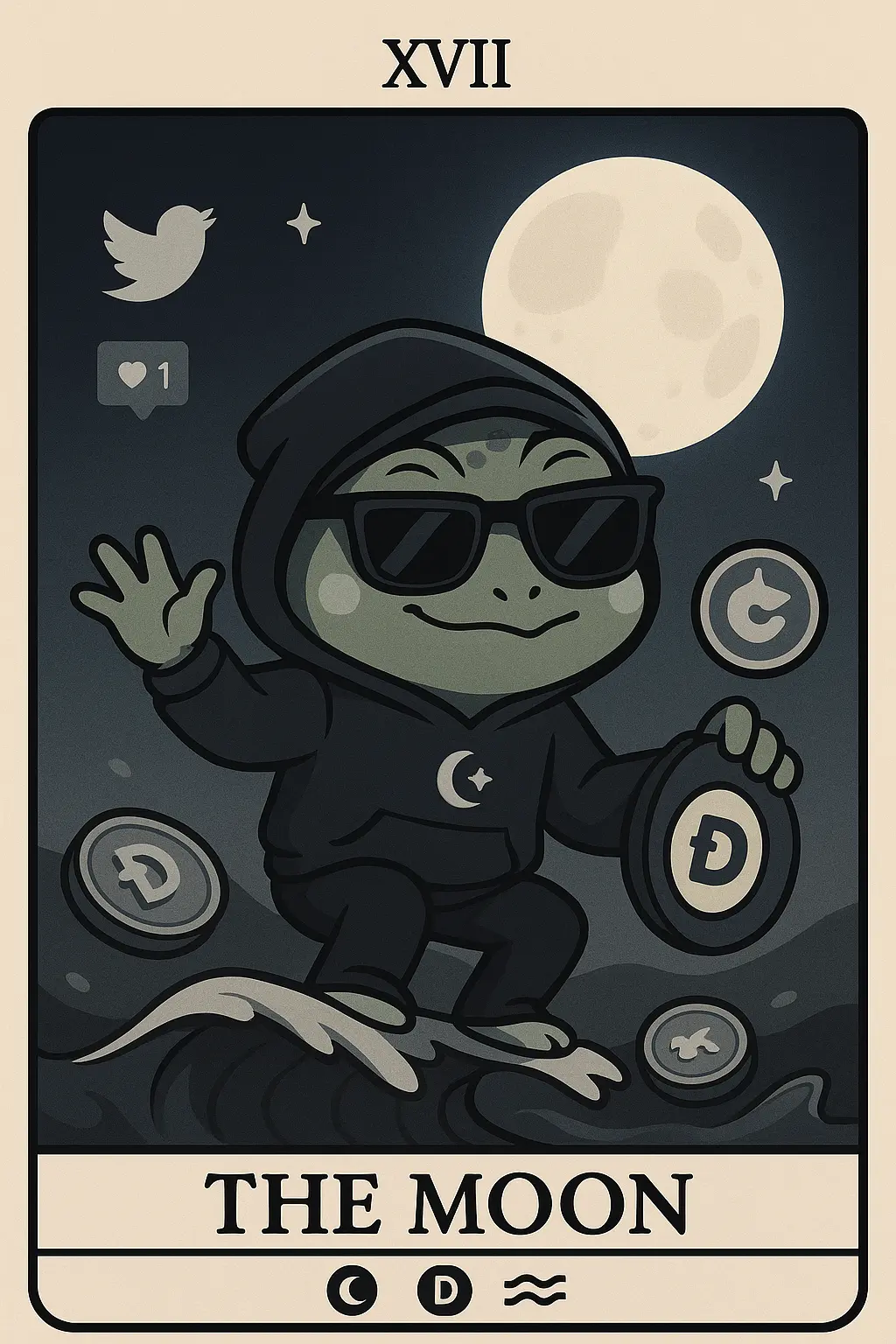
Meme Culturist
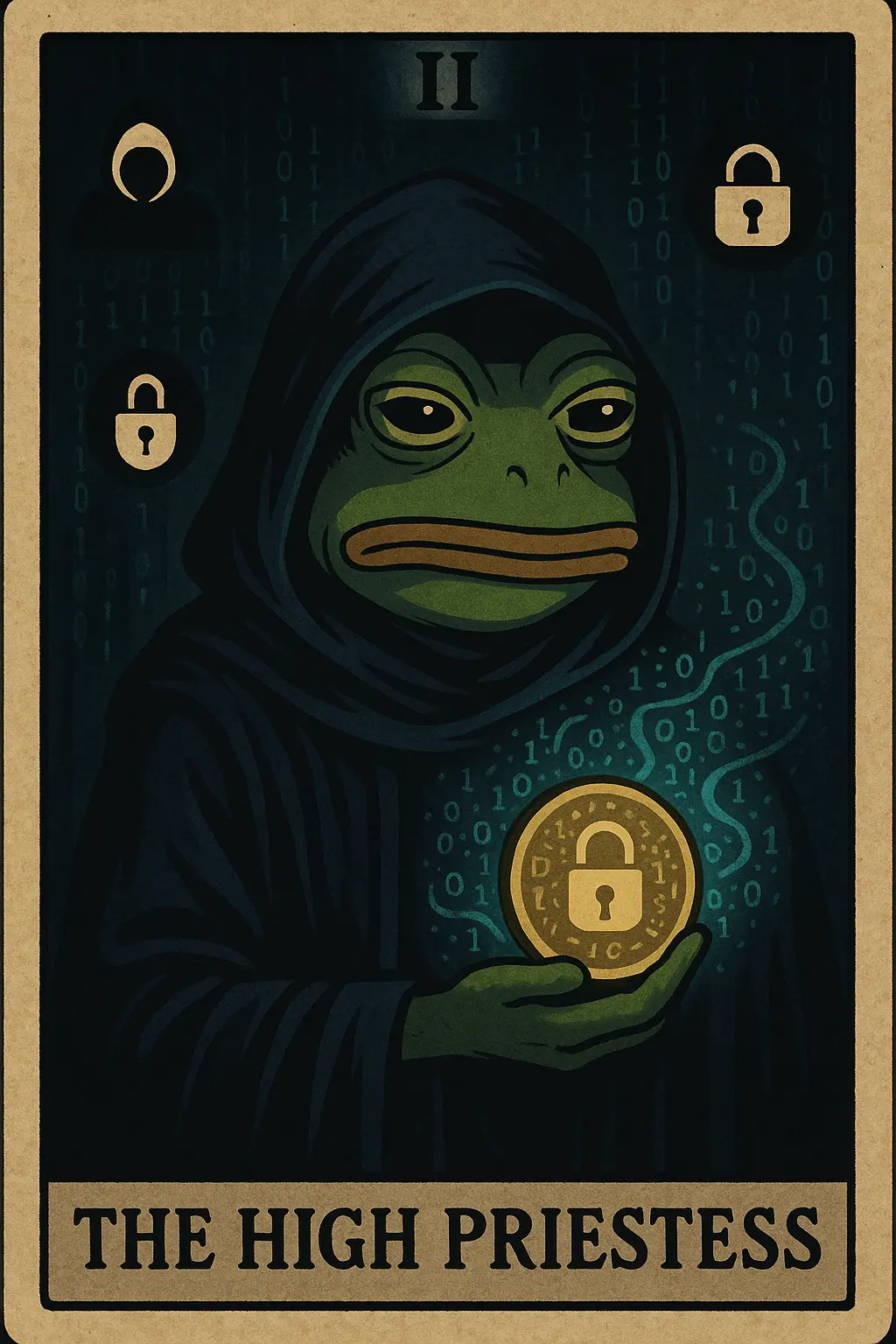
Privacy Advocate
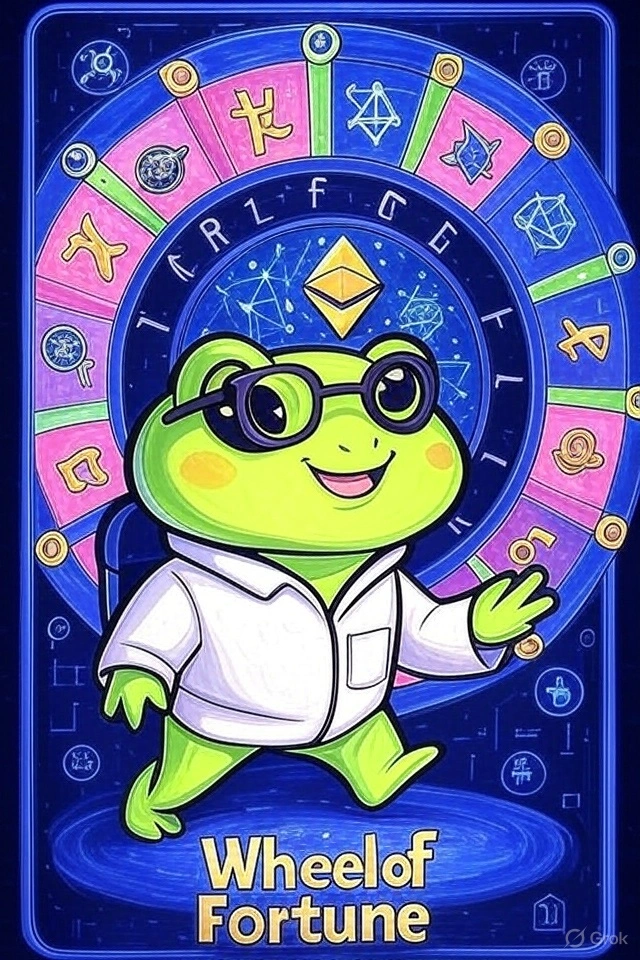
AI + Crypto

Regulation Navigator

Sustainability Steward
Why Web3 Personas?
Web3 thrives on diversity; opinionated users driven by distinct motivations. User personas are essential for validating product–market fit.
Builders, technologists, cryptography researchers, finance stewards, sustainability and privacy advocates, DeSci/DeFi/DeFAI pioneers, and compliance-minded innovators all collide in a fast-moving arena of experimentation, disruption, and constant change.
Personas help in aligning, streamlining and prioritizing the product's value propositions with its features and messaging. In Web3, they become even pronounced because they guide high-stakes product design decisions and tooling choices across UX, DX, and CX.
This study offers comprehensive research and documentation with an objective to map the people driving today’s rapidly evolving Web3 ecosystem and its transition towards Web4.
Web2 vs Web3
Web3 user personas are unique and very different from those in Web2. This is largely due to Web3's anatomy, how it operates:
What is Unique?
This study offers a Tarot-inspired perspective on Web3 user personas. It uses a systematic mapping approach for profiling 15 archetypes with a focus on mindset, motivation, and behavioral patterns.
It helps builders design user-centric infrastructure and dApps. The personas also guide product feature prioritization. They improve user experience across the stack. These personas are not static.
We seek your community contributions as feedback, insights, and suggestions. Help us keep the Web3 persona template current and evolving with Web3's rapid pace.
Together, let us build relevant products and offerings that bring the masses on to Web3.
Web3 Archetypes
In this research, we examined the core challenges faced by most Web3 products and content offerings. We considered the pain points of builders, designers, and content creators. To identify product success levers through the lens of UX and user personas, we focused on user empathy and the evolution of user behavior. Our goal was to develop a Web3 personas framework that can guide product decisions and grow through community contribution.
With this foundation, we define Web3 archetypes using three criteria:
- Primary domain of Web3 usage
- Role played by the persona in the ecosystem
- Interaction complexity and experience level
Primary Archetypes
Web3 user personas are grouped into five primary archetypes using the criteria listed above:
- Traders
- Fun & Entertainment Lovers
- Builders
- Governance Drivers
- Newcomers
We further applied the following user traits and tenets to define distinct sub-types under each primary persona.
- characteristics
- behavior
- mindset
- motivation
- needs
- technology affinity
Sub-types
- Traders: DeFi Degen, Crypto Trader, Institutional Investor, Long-term Investor
- Fun & Entertainment Lovers: Gaming Enthusiast, NFT Collector, Meme Culturist
- Builders: Developer, AI+Crypto Dev, Crypto Influencer
- Governance Figure: Anonymity Advocate, Sustainability Steward, Regulation Navigator, DAO Participant
- Newcomers: Tenderfoot Explorer
By combining insights from publicly available reports, core persona tenets, and extensive analysis supported and cross-checked by free AI tools (Gemini, Claude, ChatGPT, Grok), we defined each Web3 persona sub-type in detail. The persona template serves as the foundation for this analysis.
Personas -> Product Decisions
The persona template provides a structured way to analyze unique persona traits through the prism of user behavior, characteristics, mindset, motivations, and needs. Guided by the cornerstones of this study, it also outlines a high-level action plan to target each user type and inform product or solution strategy.
Use the action plan as the foundation for your own target persona profile and drive stronger product design, feature prioritization, and messaging for each audience segment.
To keep the personas engaging, each Web3 user type is paired with a Tarot-style archetype and a rhyming identity. This approach adds a sense of play while keeping every persona vivid and helps recall.
Each Tarot card acts as a shared strategic prism. Designers can picture the user through it. Communicators can speak to them with precision. Builders gain clarity on what to create. This shared language keeps decisions across product, messaging, and tech aligned.
If you’d like to explore the origin of this project, its intended audience, and the key takeaways, choose one of the sections below:
| About | Audience | Insights |
Shout Out
This documentation is powered by open source tooling:
| Material for MkDocs | GitHub | Mylens | Netlify |
If these insights are relevant to your project, do give a shout out on Twitter and reach out for the stars at GitHub.